Chile reafirma el multilateralismo
Chile reaffirms multilateralism
Por Gonzalo Martínez-Vargas
By Gonzalo Martínez-Vargas
Tras la quinta ronda de negociaciones en la Organización de las Naciones Unidas (20 de febrero al 4 de marzo de 2023), se aprobó el texto que coronaba cerca de dos décadas de trabajo: “el barco había llegado a la orilla”. El 19 de junio de 2023 fue adoptado por consenso y, el 20 de septiembre, se abrió a la firma el “Acuerdo sobre la Conservación y Uso Sostenible de la Biodiversidad Marina más allá de las Jurisdicciones Nacionales” (BBNJ, por su sigla en inglés). El 16 de enero de 2024, el Congreso Nacional lo aprobó y Chile se convirtió, luego de Palaos, en el segundo país en ratificarlo.
After the fifth round of negotiations at the United Nations (20 February to 4 March 2023), the text that crowned nearly two decades of work was approved: “the ship had reached the shore”. On 19 June 2023 it was adopted by consensus and, on 20 September, the “Agreement on the Conservation and Sustainable Use of Marine Biological Diversity of Areas beyond National Jurisdiction” (BBNJ) was opened for signature. On 16 January 2024 the National Congress approved it and Chile became, after Palau, the second country to ratify it.
De la CONVEMAR al Acuerdo BBNJ
From UNCLOS to the BBNJ Agreement
La Convención de las Naciones Unidas sobre el Derecho del Mar (CONVEMAR) de 1982, vigente desde el 16 de noviembre de 1994, es la carta fundamental del océano. Sus artículos 116 a 120, sobre la conservación y administración de los recursos vivos en la alta mar, ya consagraban deberes de protección, cooperación internacional y restablecimiento de las poblaciones de peces (Naciones Unidas, 1982). Junto con la Convención Marco sobre el Cambio Climático y el Convenio sobre la Diversidad Biológica de 1992, conforma la estructura basal del interés multilateral por el océano.
The 1982 United Nations Convention on the Law of the Sea (UNCLOS), in force since 16 November 1994, is the constitution of the ocean. Its articles 116 to 120, on the conservation and management of the living resources of the high seas, already established duties of protection, international cooperation and the restoration of fish stocks (United Nations, 1982). Together with the Framework Convention on Climate Change and the 1992 Convention on Biological Diversity, it forms the foundation of multilateral concern for the ocean.
Sin embargo, la biodiversidad situada fuera de las jurisdicciones nacionales carecía de una regulación específica. La CONVEMAR contaba con dos acuerdos de implementación —sobre los fondos marinos (Parte XI) y sobre la pesca en alta mar (Acuerdo de Nueva York)—, mientras que el Convenio sobre la Diversidad Biológica solo se aplica dentro de la jurisdicción de los Estados parte (Martínez-Vargas y Laborda, 2025). Por ello, la Asamblea General, mediante su resolución 59/24, abrió el largo camino hacia la codificación en esta materia (Asamblea General de las Naciones Unidas, 2004). El resultado es el BBNJ, tercer acuerdo de implementación de la CONVEMAR, que abarca la alta mar y los fondos marinos más allá de las 200 millas náuticas: cerca de 230 millones de km², el 64 % de la superficie oceánica.
However, biodiversity beyond national jurisdiction lacked specific regulation. UNCLOS had two implementing agreements —on the seabed (Part XI) and on high seas fishing (the New York Agreement)— while the Convention on Biological Diversity applies only within the jurisdiction of its States parties (Martínez-Vargas and Laborda, 2025). For that reason the General Assembly, through its resolution 59/24, opened the long road towards codification in this field (United Nations General Assembly, 2004). The result is the BBNJ, the third implementing agreement of UNCLOS, which covers the high seas and the seabed beyond 200 nautical miles: about 230 million km², 64% of the ocean's surface.
Lo que está en juego
What is at stake
El océano cubre cerca del 70 % de la superficie del planeta, absorbe alrededor del 90 % del calor generado por las actividades humanas y cerca del 30 % de las emisiones de CO₂ (Martínez-Vargas y Laborda, 2025). Es, por tanto, una herramienta clave frente a la triple crisis planetaria —cambio climático, contaminación y pérdida de biodiversidad—, agravada por la acidificación, la desoxigenación y el calentamiento de sus aguas. Aun así, apenas el 1,2 % de la alta mar está bajo alguna forma de protección. A ello se suman desafíos emergentes como la minería submarina: el 73 % de los montes submarinos de alto valor ecológico asociados a Chile, con entre un 30 % y un 40 % de especies endémicas, se ubica fuera de la jurisdicción nacional (Freites y Martínez-Vargas, 2025).
The ocean covers about 70% of the planet's surface and absorbs around 90% of the heat generated by human activities and about 30% of CO₂ emissions (Martínez-Vargas and Laborda, 2025). It is therefore a key tool against the triple planetary crisis —climate change, pollution and biodiversity loss—, aggravated by the acidification, deoxygenation and warming of its waters. Even so, only 1.2% of the high seas is under some form of protection. Added to this are emerging challenges such as seabed mining: 73% of the seamounts of high ecological value associated with Chile, with between 30% and 40% endemic species, lie beyond national jurisdiction (Freites and Martínez-Vargas, 2025).
Qué aporta el Acuerdo
What the Agreement contributes
El BBNJ hace operativa la obligación general del artículo 192 de la CONVEMAR —proteger y preservar el medio marino— y desarrolla sus artículos 206 y siguientes sobre evaluación de impacto ambiental (EIA). Sus pilares son la creación de áreas marinas protegidas (AMP) en alta mar; el reparto justo y equitativo de los beneficios de los recursos genéticos marinos, bajo la noción de patrimonio común de la humanidad; un marco común para las EIA, y la creación de capacidades y transferencia de tecnología marina. Además, por primera vez un acuerdo derivado de la CONVEMAR incorpora un mecanismo de financiamiento (Martínez-Vargas y Laborda, 2025; Naciones Unidas, 2023).
The BBNJ puts into operation the general obligation in article 192 of UNCLOS —to protect and preserve the marine environment— and develops its articles 206 and following on environmental impact assessment (EIA). Its pillars are the creation of marine protected areas (MPAs) on the high seas; the fair and equitable sharing of the benefits of marine genetic resources, under the notion of the common heritage of humankind; a common framework for EIAs; and capacity-building and the transfer of marine technology. In addition, for the first time an agreement derived from UNCLOS includes a financing mechanism (Martínez-Vargas and Laborda, 2025; United Nations, 2023).
Para Chile, el Acuerdo recoge el principio de compatibilidad que defendió desde el inicio de la negociación: las medidas adoptadas en la alta mar deben ser coherentes con las del Estado ribereño. Esto resulta clave para grandes AMP como Rapa Nui y Nazca-Desventuradas, que colindan con la alta mar, y abre la puerta a extender su protección más allá de la zona económica exclusiva (ZEE) (Martínez-Vargas y Laborda, 2025). El BBNJ es, asimismo, un vehículo para la meta de proteger el 30 % de la tierra y del océano al año 2030, fijada en el Marco Mundial de Biodiversidad de Kunming-Montreal (Convenio sobre la Diversidad Biológica, 2022).
For Chile, the Agreement takes up the principle of compatibility it defended from the start of the negotiation: measures adopted on the high seas must be consistent with those of the coastal State. This is key for large MPAs such as Rapa Nui and Nazca-Desventuradas, which border the high seas, and it opens the door to extending their protection beyond the exclusive economic zone (EEZ) (Martínez-Vargas and Laborda, 2025). The BBNJ is also a vehicle for the target of protecting 30% of the land and the ocean by 2030, set in the Kunming-Montreal Global Biodiversity Framework (Convention on Biological Diversity, 2022).
Entrada en vigor y próximos pasos
Entry into force and next steps
El Acuerdo entró en vigor el 17 de enero de 2026, 120 días después de reunir las 60 ratificaciones exigidas (Manríquez, 2026). La primera Conferencia de las Partes (COP1), prevista del 11 al 22 de enero de 2027 en Nueva York, deberá aprobar las normas de procedimiento y poner en marcha la Secretaría, el Órgano Científico y Técnico y los comités subsidiarios. También decidirá la sede de la Secretaría, a la que Valparaíso postula (Naveas, 2026).
The Agreement entered into force on 17 January 2026, 120 days after reaching the 60 ratifications required (Manríquez, 2026). The first Conference of the Parties (COP1), scheduled for 11 to 22 January 2027 in New York, must approve the rules of procedure and set in motion the Secretariat, the Scientific and Technical Body and the subsidiary committees. It will also decide the seat of the Secretariat, for which Valparaíso is a candidate (Naveas, 2026).
De la vocación a la implementación
From vocation to implementation
La ratificación expresa una política de Estado que Chile ha proyectado desde la Conferencia Nuestro Océano (2015) y la “COP azul” (2019), y que también fue plasmada en la articulación de la Política Exterior Turquesa (Freites y Martínez-Vargas, 2025). En el plano interno, el país pasó de proteger el 4,5 % de su ZEE en 2015 al 47 % aproximadamente a 2026 (el porcentaje de AMP al 2026 suma dos parques aprobados el 10 de marzo de 2026, Mar de Juan Fernández II y Nazca-Desventuradas II, sin embargo, dicho decreto aún no se publica. Si eso sucediera el país pasaría a proteger el 57,59 % de su ZEE) (Martínez-Vargas y Laborda, 2025).
Ratification expresses a State policy that Chile has projected since the Our Ocean Conference (2015) and the “blue COP” (2019), and which also took shape in the articulation of the Turquoise Foreign Policy (Freites and Martínez-Vargas, 2025). At home, the country went from protecting 4.5% of its EEZ in 2015 to approximately 47% as of 2026 (the MPA percentage as of 2026 adds two parks approved on 10 March 2026, Mar de Juan Fernández II and Nazca-Desventuradas II; however, that decree has not yet been published. If it were, the country would come to protect 57.59% of its EEZ) (Martínez-Vargas and Laborda, 2025).
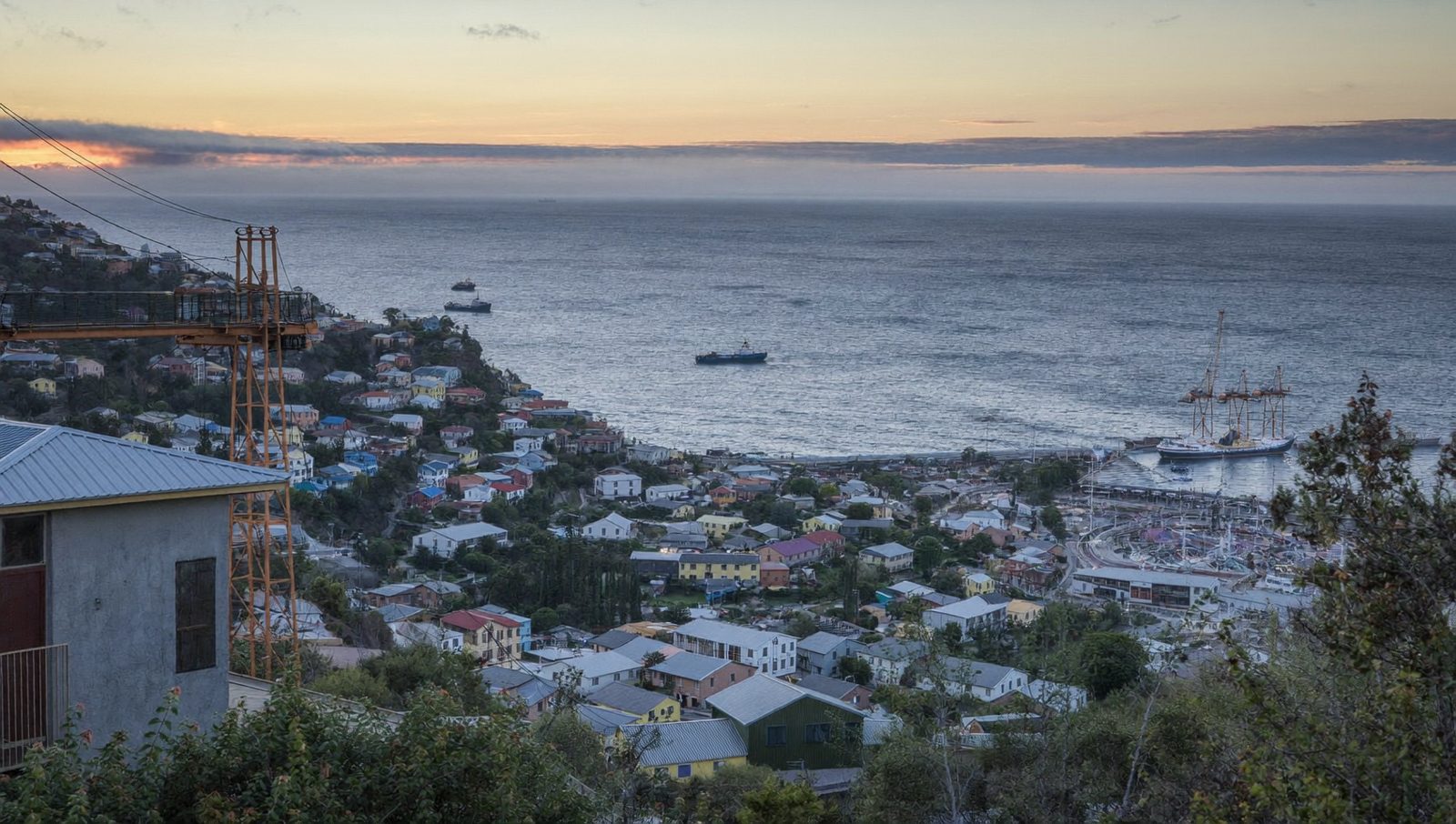
No obstante, el liderazgo internacional exige coherencia interna. Los compromisos ambientales tienden a formularse más por criterios diplomáticos y reputacionales que por una evaluación de capacidades reales, en una lógica de racionalidad limitada (Freites y Martínez-Vargas, 2025). El financiamiento de las AMP cubre menos del 2 % de lo requerido y su gestión se dispersa entre múltiples organismos sin una autoridad coordinadora (Martínez-Vargas y Laborda, 2025). Consolidar el Servicio de Biodiversidad y Áreas Protegidas (SBAP), asegurar un financiamiento estable y contar con sistemas de monitoreo basados en evidencia serán condiciones para que el liderazgo de Chile en la alta mar sea efectivo y no solo conceptual. Albergar la Secretaría en Valparaíso sería el reconocimiento a una vocación oceánica.
Nevertheless, international leadership demands coherence at home. Environmental commitments tend to be framed more by diplomatic and reputational criteria than by an assessment of real capacities, in a logic of bounded rationality (Freites and Martínez-Vargas, 2025). Funding for MPAs covers less than 2% of what is required, and their management is spread across multiple agencies without a coordinating authority (Martínez-Vargas and Laborda, 2025). Consolidating the Biodiversity and Protected Areas Service (SBAP), securing stable funding and having evidence-based monitoring systems will be conditions for Chile's leadership on the high seas to be effective and not merely conceptual. Hosting the Secretariat in Valparaíso would be the recognition of an ocean vocation.
Decreto 157: Chile promulga BBNJ, año 2026Decree 157: Chile promulgates the BBNJ, 2026 (in Spanish)
Referencias
References
- Asamblea General de las Naciones Unidas. (2004). Resolución 59/24. Los océanos y el derecho del mar (A/RES/59/24). Naciones Unidas.
- Convenio sobre la Diversidad Biológica. (2022). Marco Mundial de Biodiversidad de Kunming-Montreal (CBD/COP/DEC/15/4). Programa de las Naciones Unidas para el Medio Ambiente.
- Freites, A., & Martínez-Vargas, G. (2025). La eficacia de la Política Exterior Turquesa de Chile: ¿liderazgo efectivo o conceptual? Estudios Internacionales, 57(211), 63–96.
- Manríquez Díaz, P. (2026, 16 de enero). Tratado de Alta Mar y su entrada en vigencia [Carta]. CIPER Chile. ciperchile.cl
- Martínez-Vargas, G., & Laborda, C. (2025). La política exterior azul: el proceso decisorio de la política pública de las áreas marinas protegidas en Chile, 2015-2023. En M. I. Gómez-Lee & P. Vargas González (Eds.), Ahora o nunca II: transformaciones ante el cambio climático en la era emergente (pp. 337–374). Universidad Externado de Colombia.
- Naciones Unidas. (1982). Convención de las Naciones Unidas sobre el Derecho del Mar.
- Naciones Unidas. (2023). Acuerdo en el marco de la Convención de las Naciones Unidas sobre el Derecho del Mar relativo a la conservación y el uso sostenible de la diversidad biológica marina de las zonas situadas fuera de la jurisdicción nacional.
- Naveas, J. (2026, 11 de septiembre). Chile intensifica campaña para llevar secretaría del Tratado de Alta Mar a Valparaíso: compite con Bruselas y Xiamen. Revista Digital Minera REDIMIN. redimin.cl